Master How to Cook Eggplant: 5 Easy Methods & Prep Tips
Eggplant, often mistaken for a vegetable but botanically a berry, is a culinary marvel. Low in calories yet packed with essential vitamins and minerals, this versatile fruit forms a delicious base for an incredible array of meals, particularly in vegetarian cuisine. Whether you're a seasoned chef or just starting your culinary journey, understanding how to cook eggplant is a skill that will unlock a world of flavor and texture. From savory roasted dishes to hearty grilled mains, eggplant's unique structure and mild flavor make it incredibly adaptable. Let's dive into everything you need to know, from choosing the best fruit to mastering five simple cooking methods, along with crucial prep tips to ensure perfect results every time.
Choosing the Perfect Eggplant: A Foundation for Flavor
While fresh eggplants are available year-round in most grocery stores, they truly shine during their peak season, typically from late summer through early fall. Knowing how to choose the best eggplant is the first step to a successful dish.
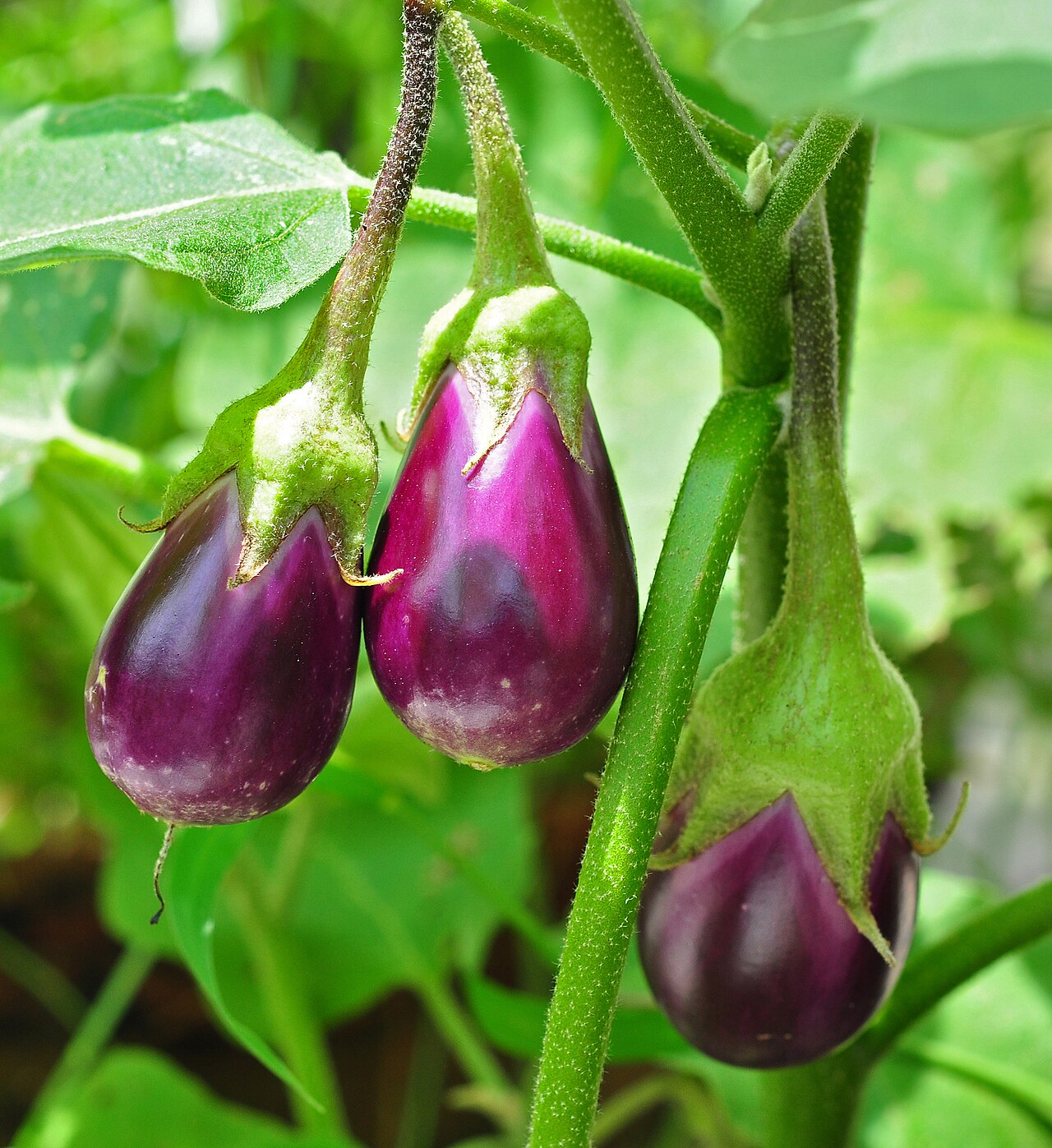
- Visual Appeal: Look for eggplants with smooth, shiny skins. The most common variety is the large, dark-purple globe eggplant, but don't shy away from exploring other types like slender Japanese or Chinese eggplants, or even white and striped varieties.
- Stem and Cap: The stem and green cap should appear fresh and vibrant, not dry or shriveled.
- Firmness Test: Gently press on the skin. A ripe eggplant should feel firm but give slightly under pressure, then bounce back. Avoid those that are too hard (underripe) or too soft and mushy (overripe).
- Weight Matters: Pick up the eggplant. It should feel surprisingly weighty for its size, indicating it's full of moisture and not dried out.
- Blemish-Free: Inspect for any soft spots, deep bruises, or discolored patches, as these can indicate spoilage or bitterness.
Once you've selected your perfect eggplant, store it in the crisper drawer of your refrigerator. Ideally, use it within five days, as longer storage can sometimes lead to a more bitter taste.
Essential Eggplant Preparation Hacks: Peeling, Salting, and Slicing
Proper preparation is key to transforming eggplant into a culinary delight. Two common debates in the kitchen revolve around whether to peel or salt eggplant. Let's clear the air and provide actionable advice. For a deeper dive into these topics, check out our article on Eggplant Prep Debate: To Peel or Salt? Expert Answers.
To Peel or Not to Peel?
The skin of an eggplant is entirely edible, offering fiber and nutrients. However, its toughness can vary:
- Leave it On: For young, small, and tender eggplants (like Japanese or Chinese varieties), or when roasting larger eggplants whole (where the flesh is scooped out later), leaving the skin on is perfectly fine. It adds texture and structure.
- Consider Peeling: With larger, older globe eggplants, the skin can sometimes be a bit tough or leathery. If you prefer a melt-in-your-mouth texture, or for dishes where the skin might detract (like purees or very delicate sautés), peeling is a good option.
Always remove any dark, bruised portions or seeds that have turned brown, as these can contribute to an unpleasant bitter taste or gritty texture.
The Salting Debate: To Salt or Not to Salt?
Salting eggplant is a time-honored tradition, but its necessity is often debated among cooks. Here's what you need to know:
- Why Salt? (The Traditional View): Salting draws out excess moisture, which can contain bitter compounds, especially in older or larger globe eggplants. This process also firms up the flesh, making it less like a sponge and thus reducing the amount of oil it absorbs during cooking. Plus, it adds an initial layer of seasoning.
- Why Skip? (The Modern View): Many modern eggplant varieties have been bred to be less bitter, making salting less crucial for flavor. Some cooks find the process time-consuming and believe the benefits don't always outweigh the effort. Varieties like Japanese and Chinese eggplants are typically fine without salting.
If you choose to salt:
- Slice or Cube: Cut your eggplant into your desired shape.
- Generously Salt: Arrange the pieces in a single layer on a cooling rack set over a baking sheet, or directly in a colander. Sprinkle generously with salt.
- Let it Sit: Allow the eggplant to "sweat" for at least 30 minutes, or even up to an hour or more for maximum effect. You'll see beads of moisture form on the surface.
- Rinse and Press: Crucially, rinse the eggplant thoroughly under cold water to remove the excess salt. Then, place the slices between layers of paper towels or a clean kitchen towel and press gently but firmly to remove as much liquid as possible. This step is vital, especially before frying, to prevent soggy results and excessive oil absorption.
Experimentation is key! Try cooking eggplant both ways to see which method you prefer for different varieties and dishes.
Master How to Cook Eggplant: 5 Versatile Methods
Once prepped, eggplant's sturdy texture and mild flavor allow it to adapt beautifully to various cooking techniques. Here are five easy and popular methods:
1. Roasting: The Flavor Enhancer
Roasting brings out eggplant's inherent sweetness and creates a wonderfully tender, slightly caramelized interior. This method is fantastic for cubes, slices, or even whole eggplants.
- Preparation: Cut eggplant into 1-inch cubes or ½-inch thick slices. Toss with a generous drizzle of olive oil, salt, pepper, and your favorite herbs (like oregano, thyme, or rosemary). For whole roasting, simply prick the skin a few times with a fork.
- Method: Spread cubes or slices in a single layer on a baking sheet. Avoid crowding, as this will steam rather than roast. Roast at 400°F (200°C) for 20-30 minutes, flipping halfway, until golden brown and tender. For whole eggplant, roast at 400°F (200°C) for 45-60 minutes, or until very soft.
- Best For: Side dishes, salads, pasta sauces, baba ghanoush (from whole roasted eggplant), or adding to grain bowls.
2. Grilling: The Smoky Sensation
Grilling imparts a beautiful smoky flavor and char, making eggplant a perfect addition to summer barbecues.
- Preparation: Slice eggplant lengthwise into ½-inch thick planks or into thick rounds. Brush generously with olive oil and season with salt and pepper. You can also marinate them for added flavor.
- Method: Preheat your grill to medium-high heat. Place eggplant slices directly on the grates. Grill for 3-5 minutes per side, or until tender with distinct grill marks. Avoid overcooking, which can make them mushy.
- Best For: Appetizers, sandwiches, caponata, or served alongside grilled meats and vegetables.
3. Sautéing/Pan-Frying: The Quick & Crispy Route
Sautéing or pan-frying yields a delicious golden-brown crust and a soft interior, but it's where eggplant's notorious oil-absorbing tendency is most pronounced.
- Preparation: Slice eggplant into ½-inch rounds or 1-inch cubes. If you've salted and pressed your eggplant, this method will be more successful. A crucial tip for reducing oil is to brush olive oil directly onto the eggplant slices rather than pouring it into the pan.
- Method: Heat a large skillet over medium-high heat. Add a minimal amount of oil (or use oil-brushed eggplant). Place eggplant in a single layer, ensuring not to crowd the pan, which lowers the temperature and leads to steaming. Cook for 3-5 minutes per side, or until golden brown and tender. Cook in batches if necessary.
- Best For: Eggplant Parmesan, stir-fries, ratatouille, or as a quick side dish.
4. Baking: The Gentle Cook
Baking is a versatile method often used for breaded eggplant, casseroles, or when you want a hands-off approach similar to roasting but at a slightly lower temperature.
- Preparation: Slice or cube eggplant as desired. For breaded eggplant, dip slices in egg wash and then breadcrumbs (seasoned with Parmesan, garlic powder, and Italian herbs).
- Method: For plain eggplant, arrange on a baking sheet, drizzle with olive oil, and season. Bake at 375°F (190°C) for 25-35 minutes, flipping once, until tender. For breaded eggplant, bake at 400°F (200°C) for 15-20 minutes, flipping halfway, until golden and crisp.
- Best For: Eggplant Parmesan, moussaka, casseroles, or tender cooked slices for layering.
5. Microwaving: The Speedy Softener
While microwaving won't give you the glorious browning or caramelization of other methods, it's an excellent way to quickly soften eggplant, especially if you plan to mash it or use it in a stew or curry where texture is more important than crispness.
- Preparation: Pierce a whole eggplant several times with a fork, or chop it into 1-inch cubes.
- Method: Place whole eggplant on a microwave-safe plate. Microwave on high for 5-8 minutes, flipping halfway, until tender. For cubes, place in a microwave-safe bowl with a splash of water, cover, and microwave for 3-5 minutes, stirring halfway.
- Best For: Pre-cooking for quicker stewing, mashing for dips, or softening before adding to recipes that require long simmer times.
Pro Tips for Delicious Eggplant Dishes
- Don't Crowd the Pan/Sheet: This is perhaps the most important rule for any cooking method involving direct heat. Crowding leads to steaming, not browning, resulting in limp and unappetizing eggplant. Work in batches if necessary.
- Season Generously: Eggplant has a mild flavor, which means it's a fantastic canvas for robust seasonings. Don't be shy with salt, pepper, garlic, onion powder, herbs like basil and oregano, or even a hint of chili flake.
- Embrace Olive Oil: Extra virgin olive oil complements eggplant beautifully, especially in Mediterranean-inspired dishes.
- Pair with Strong Flavors: Eggplant thrives when paired with ingredients like tomatoes, garlic, onions, bell peppers, fresh herbs, and a variety of cheeses (feta, mozzarella, Parmesan).
- Consider Acid: A squeeze of lemon juice or a splash of vinegar at the end of cooking can brighten the flavor and balance the richness of cooked eggplant.
Conclusion
Eggplant is a remarkably versatile and nutritious ingredient that deserves a prominent place in your kitchen. By mastering a few simple preparation hacks and exploring various cooking methods, you can transform this humble berry into an impressive array of dishes. From the smoky depths of grilled eggplant to the comforting layers of a baked casserole, knowing how to cook eggplant opens up a world of culinary possibilities. So, next time you spot that glossy purple fruit, pick it up with confidence and get ready to create something truly delicious!
