Navigating the Eggplant Aisle: How to Choose the Best Eggplant
Eggplant, often mistaken for a vegetable, is technically a berry, boasting a rich history in cuisines worldwide. From classic Italian parmigiana to smoky Middle Eastern baba ghanoush, its versatility is undeniable. Beyond its culinary appeal, eggplant is a nutritional powerhouse, low in calories yet packed with fiber, vitamins, and minerals. Learning how to cook eggplant starts long before you turn on the stove – it begins with selecting the perfect specimen. A well-chosen eggplant is the foundation for unlocking its full flavor and achieving delicious results.
While you can find eggplants in grocery stores year-round, they truly shine during their peak season, typically from late summer, roughly July through October. This is when they are at their freshest, most flavorful, and often most affordable. Keep an eye out for these seasonal gems to experience eggplant at its very best.
What to Look For: The Eggplant "Feel Test"
The most common variety you’ll encounter is the large, dark-purple globe eggplant, known for its iconic shape and shiny skin. However, eggplants come in a surprising array of sizes, shapes, and colors, including slender Japanese and Chinese varieties, or even charming white and striped types. Regardless of the variety, the principles for selection remain largely the same:
- Skin Appeal: Seek out eggplants with smooth, taut, and glossy skin. A dull or wrinkled appearance can indicate an older or less fresh fruit.
- Stem & Calyx: The stem and the green leaf-like calyx should look fresh, vibrant, and firmly attached. Avoid any with brown, dried-out, or withered stems.
- Blemish-Free: Inspect the entire surface for soft spots, bruises, cuts, or discolored patches. These can be signs of damage or spoilage, leading to an unpleasant texture or bitter taste.
- Weight in Hand: A good eggplant should feel surprisingly heavy for its size. This indicates a plump, moist flesh, whereas a light eggplant might be dry or have too many seeds.
- The Gentle Press: Gently press on the skin with your thumb. It should feel firm but give slightly, then immediately spring back. If the indentation remains, it's likely overripe or old. If it's rock-hard, it might be underripe.
Once you’ve brought your perfect eggplant home, store it in the crisper drawer of your refrigerator. Ideally, use it within five days. Any longer, and even the best eggplant can begin to develop a bitter taste.
Essential Prep Before You Cook Eggplant
Before diving into the myriad ways to enjoy this versatile ingredient, understanding proper preparation is key to elevating your cooking. The steps you take now will significantly influence the texture and flavor of your finished dish, helping you truly master how to cook eggplant.
To Peel or Not to Peel: The Great Debate
One of the most common questions revolves around peeling eggplant. The good news is: the skin is entirely edible! It’s also rich in nutrients. However, whether you peel it or not often depends on the type of eggplant, its age, and your intended cooking method. For a deeper dive into this topic, be sure to read our article: Eggplant Prep Debate: To Peel or Salt? Expert Answers.
- Young, Tender Eggplants: If your eggplant is small, young, and relatively tender, you can often leave the skin on, especially for dishes like skillet frying or braising. The skin adds color, structure, and a nutritional boost.
- Larger, Older Eggplants: The skin of larger, more mature globe eggplants can sometimes be a bit tough or even slightly bitter. In such cases, peeling is often recommended, particularly if you’re aiming for a very tender, melt-in-your-mouth texture.
- Roasting Whole: When roasting an eggplant whole in the oven or on the grill, definitely leave the skin on. It acts as a protective barrier, steaming the flesh within. After cooking, let it cool, then simply scoop out the tender, smoky flesh.
No matter if you peel or not, always slice or cube the eggplant and inspect the flesh. It should be pale and creamy. Remove any dark, bruised portions or seeds that have turned brown, as these can contribute to a bitter taste and an unpleasant texture.
The Salting Conundrum: Is It Necessary?
Salting eggplant is a time-honored tradition in many culinary circles, sparking lively debates among chefs and home cooks alike. The practice involves sprinkling cut eggplant pieces with salt and allowing them to rest. Historically, this was done for several reasons:
- Drawing Out Bitterness: Older eggplant varieties were notoriously bitter due to compounds within their juices. Salting helps draw out these bitter liquids.
- Firms the Flesh: The salt also helps tighten and firm up the eggplant’s cellular structure, making it less likely to absorb excessive amounts of oil during cooking. This is a crucial step if you’re wondering how to cook eggplant without it becoming greasy.
- Enhances Flavor: Naturally, salt adds seasoning, contributing to the overall taste of the dish.
However, many contemporary cooks argue that modern eggplant varieties have been cultivated to be less bitter, making salting less critical. Varieties like Japanese and Chinese eggplants, for instance, are often fine without this step. For globe eggplants, it truly comes down to personal preference and experimentation.
If you opt to salt your eggplant, here’s the process:
- Slice or Cube: Cut your eggplant into your desired shape.
- Generously Salt: Sprinkle the pieces generously with kosher salt or sea salt.
- Rest: Place the salted eggplant in a colander set over a bowl. Let it sit for at least an hour, or even longer (several hours won't harm the texture or taste). You’ll see beads of liquid forming and dripping into the bowl.
- Rinse Thoroughly: Before cooking, it’s absolutely essential to rinse the salt off thoroughly under cold running water. This prevents your dish from becoming overly salty.
- Press Dry: Place the rinsed eggplant slices or cubes between several layers of paper towels (or a clean kitchen towel) and press gently to remove as much moisture as possible. This step is particularly vital if you plan on frying, as excess moisture can lead to splattering and uneven cooking.
For more detailed insights into this debate, check out: Eggplant Prep Debate: To Peel or Salt? Expert Answers.
Unlocking Eggplant's Potential: How to Cook Eggplant Effectively
Once you’ve chosen and prepped your eggplant, the fun truly begins. Eggplant is incredibly versatile, adapting to a multitude of cooking methods and flavor profiles. Its mild flavor acts like a sponge, readily absorbing the spices and aromatics of any cuisine you choose.
Managing Oil Absorption: The Eggplant's Spongy Nature
One of the most common challenges when learning how to cook eggplant is its tendency to soak up oil like a sponge. Even salted and pressed slices can be quite thirsty. Here are some strategies to manage oil absorption:
- Brush, Don't Pour: Instead of pouring oil into a pan, brush a thin layer of olive oil directly onto one side of the eggplant slices or cubes. Place the oiled side down in a hot skillet, then brush the other side as it cooks.
- Don't Crowd the Pan: Overcrowding a pan lowers its temperature, leading to steamed rather than seared eggplant, which will absorb more oil and become soggy. Cook in batches, giving each piece space.
- Baking or Roasting: These methods inherently use less oil. Tossing cubed eggplant with a small amount of oil and roasting at a high temperature (around 400-425°F / 200-220°C) yields tender, caramelized results without excess grease.
- Air Frying: A fantastic modern option for crispy eggplant with minimal oil.
Versatile Cooking Methods for Eggplant
Eggplant’s sturdy texture and mild flavor make it suitable for a wide range of cooking techniques:
- Sautéing/Pan-Frying: Quick and easy, this method is perfect for sliced or cubed eggplant, often used in stir-fries, curries, or as a side dish. Remember the oil management tips!
- Roasting: Whether whole or cut into pieces, roasting brings out a deep, earthy sweetness. Roasted eggplant is excellent in salads, dips (like baba ghanoush), or as a base for pasta sauces.
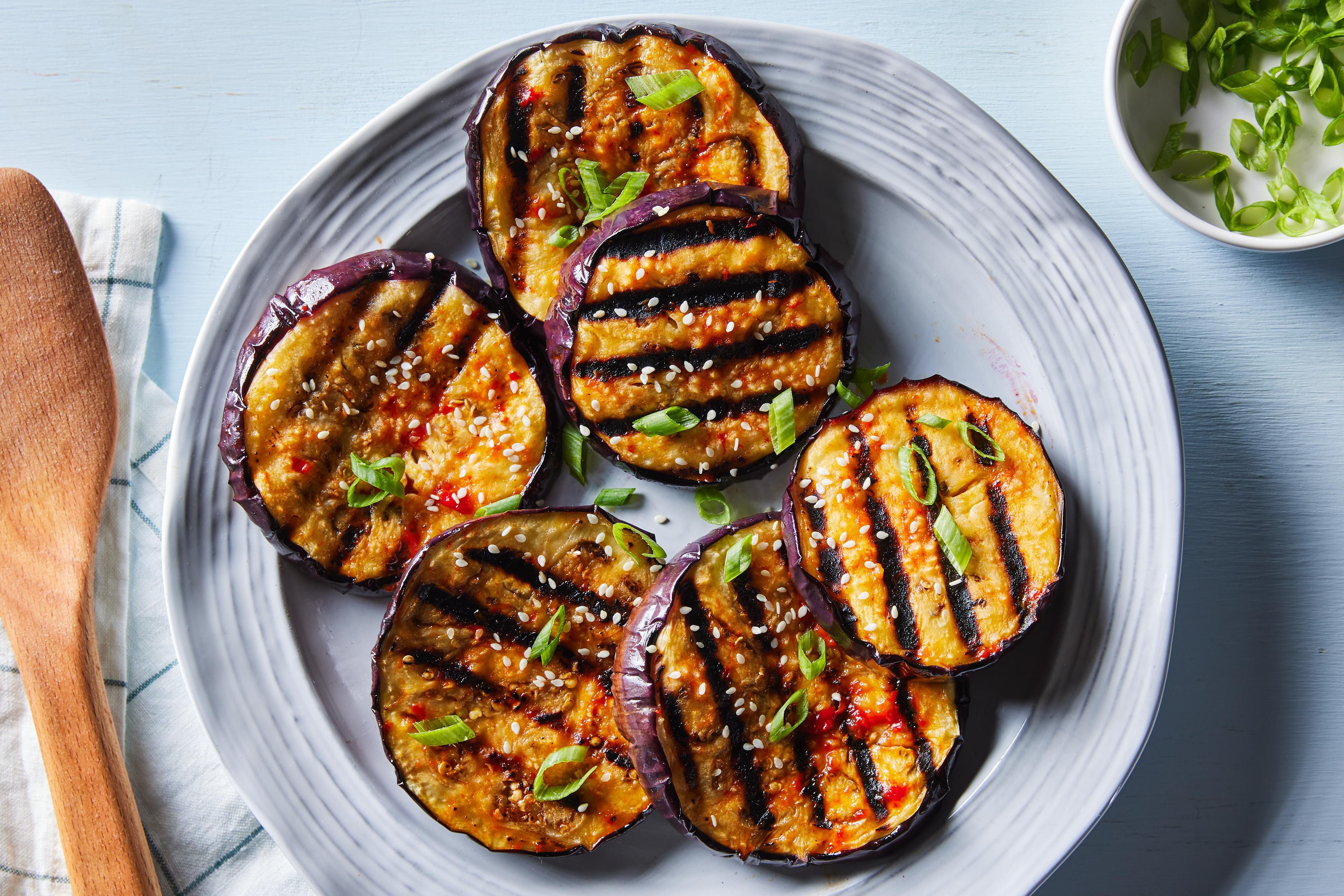
- Grilling: Sliced eggplant brushed with oil and grilled develops beautiful char marks and a smoky flavor, ideal for summer barbecues or Mediterranean platters.
- Baking: Often used for eggplant parmesan or casseroles, baking allows eggplant to become incredibly tender and meld with other flavors.
- Microwaving: While less common for achieving browning, microwaving can be used to quickly soften eggplant before adding it to other dishes or pureeing it for dips.
For detailed, step-by-step instructions on various cooking methods, including grilling, roasting, sautéing, and more, be sure to check out our comprehensive guide: Master How to Cook Eggplant: 5 Easy Methods & Prep Tips.
Eggplant's subtle, slightly earthy flavor makes it a fantastic canvas. It pairs beautifully with strong, aromatic ingredients like garlic, onions, tomatoes, herbs (basil, oregano, mint, parsley), and spices (cumin, coriander, paprika). Embrace its ability to absorb flavors, making it a star in vegetarian stews, curries, pasta dishes, and even hearty meat accompaniments.
Conclusion
From choosing a perfectly ripe, weighty fruit to deciding whether to peel or salt, every step in preparing eggplant contributes to a delicious outcome. This versatile berry offers endless culinary possibilities, whether you’re pan-frying it until golden, roasting it to tender perfection, or grilling it for a smoky accent. Armed with these selection and preparation tips, you're now well-equipped to truly master how to cook eggplant, transforming it into a delightful and nutritious addition to your meals. Experiment with different cooking methods and flavor combinations, and discover your favorite ways to unlock the incredible potential of this humble yet magnificent ingredient.
